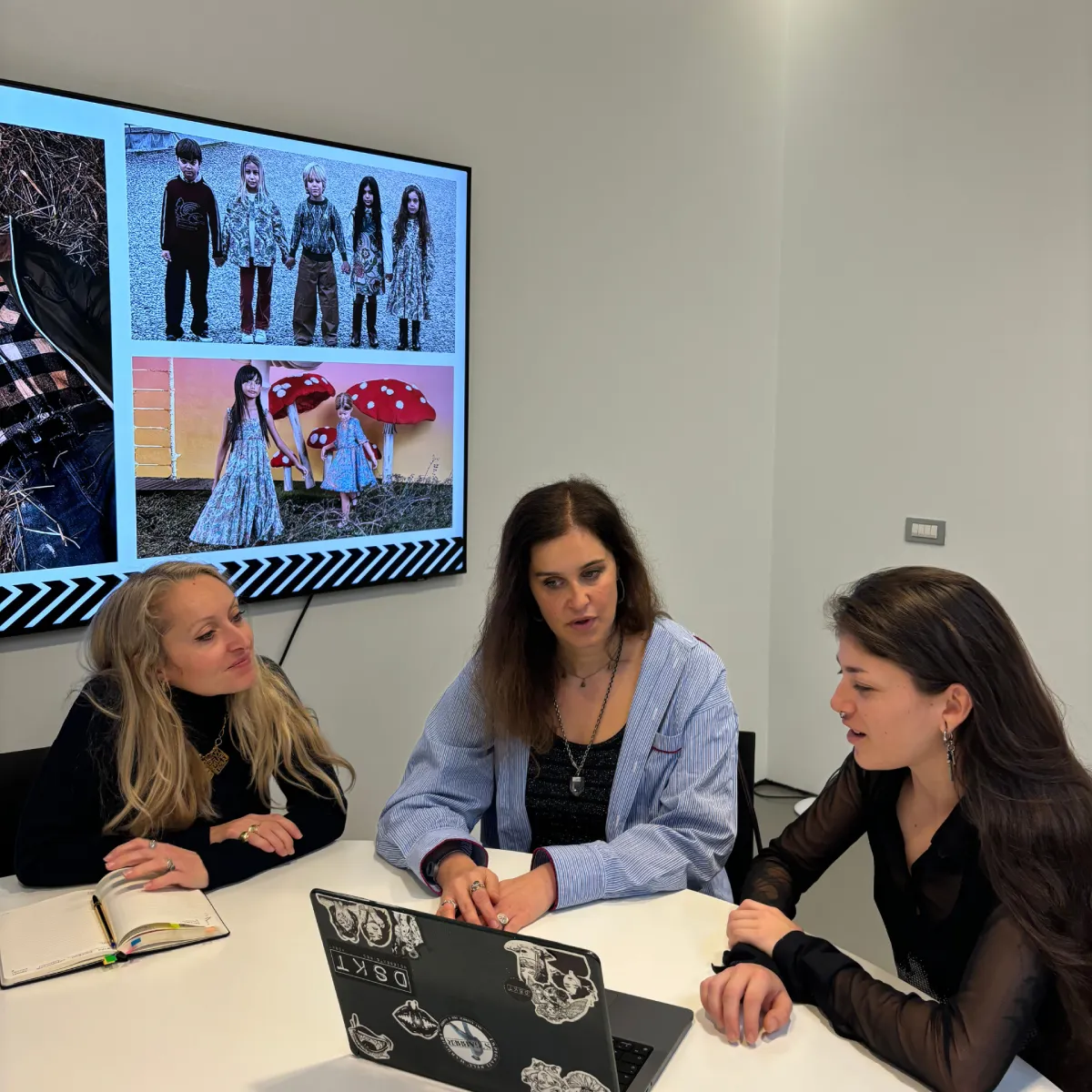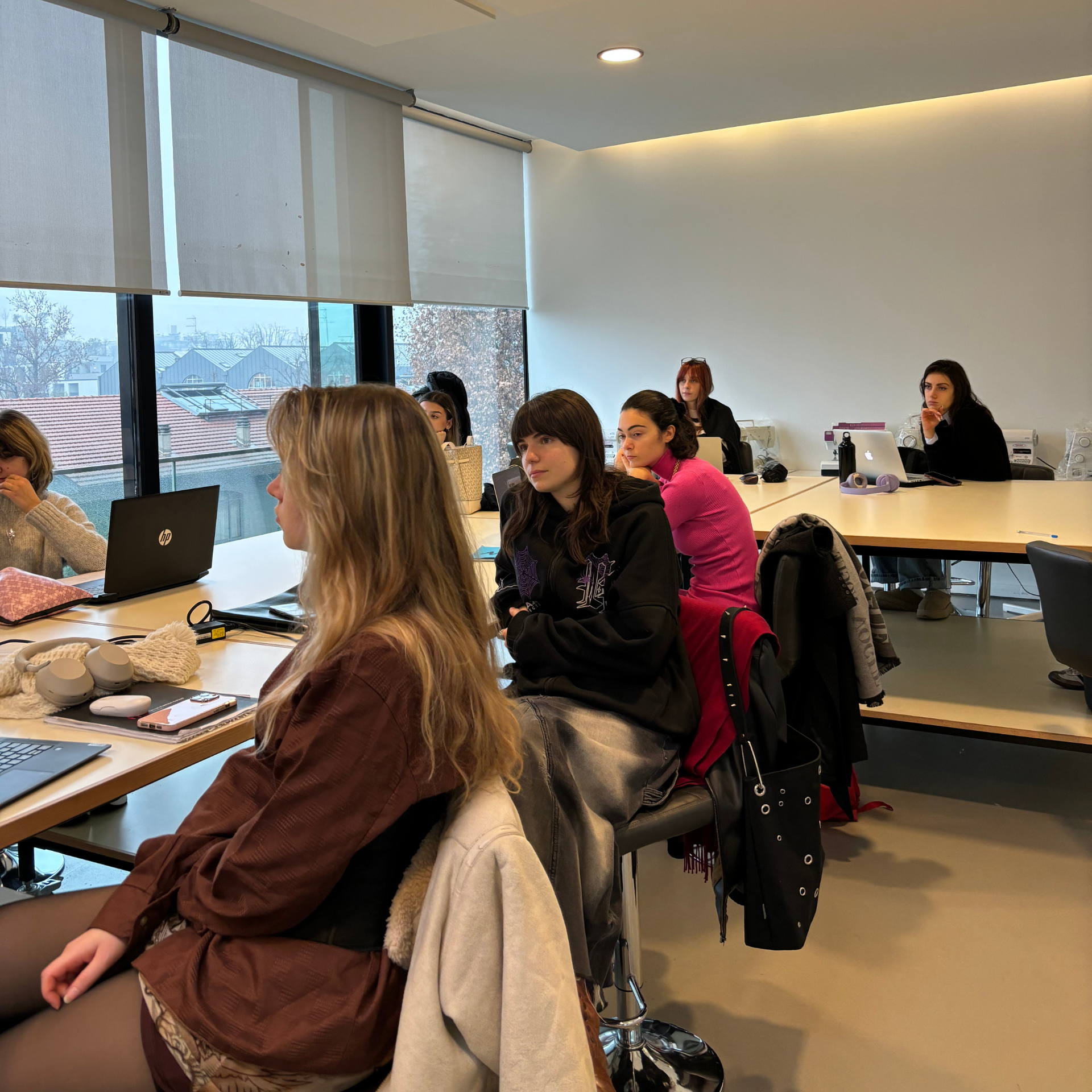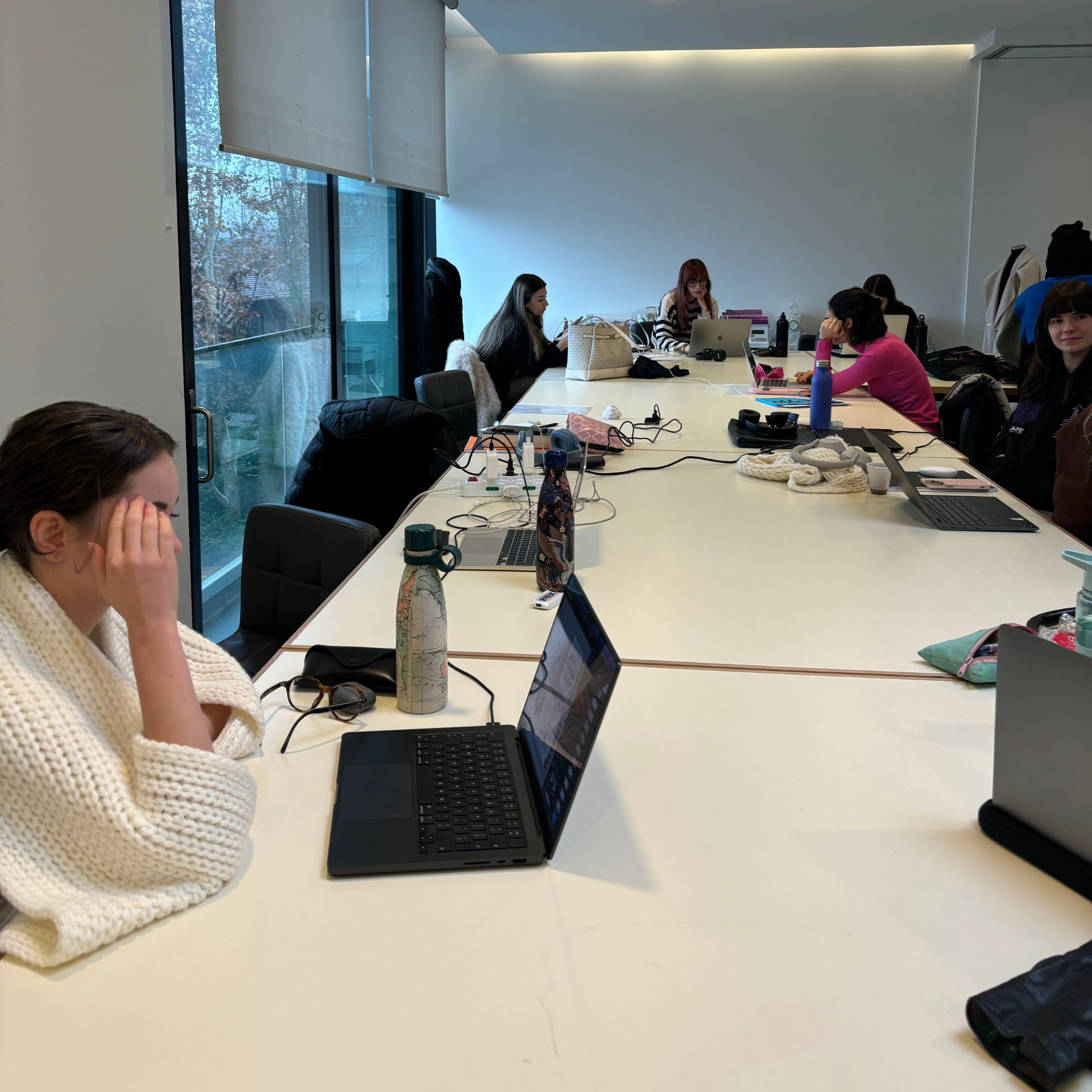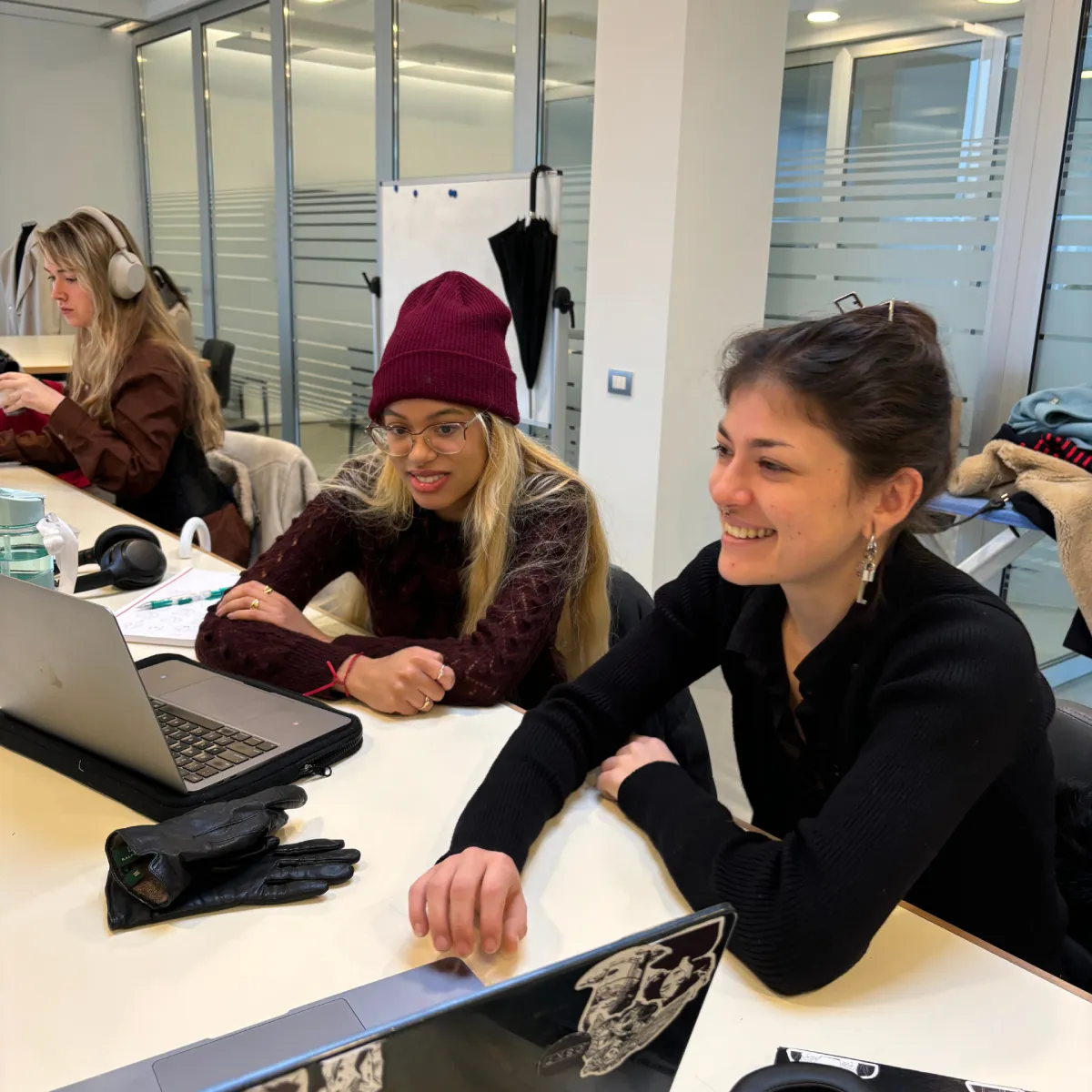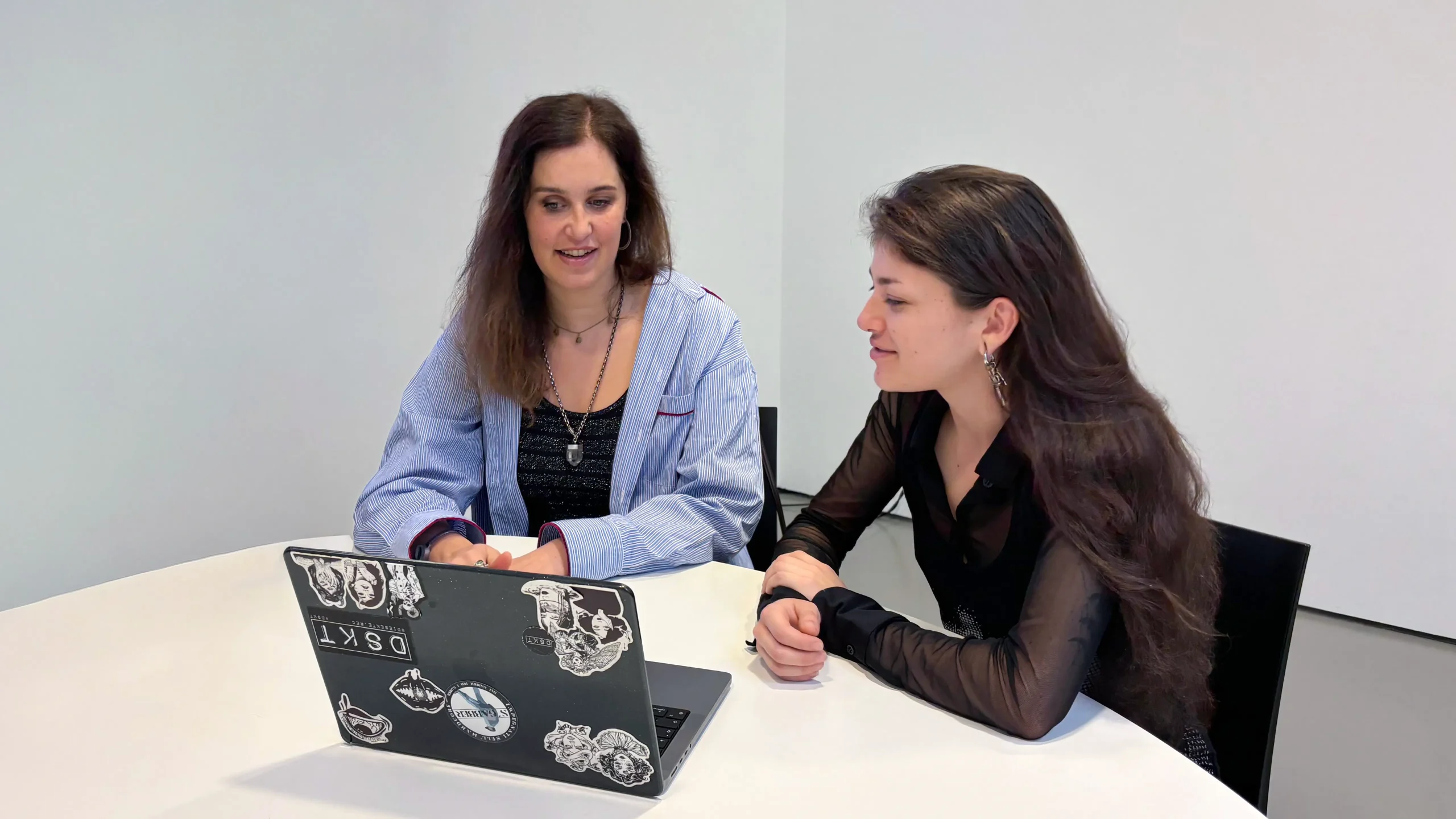
Violetta Semino, Head Designer of the kidswear line at Etro, met with second-year BA in Fashion Design students at Ferrari Fashion School. During the meeting, she shared the story of Etro—an iconic Italian fashion house known for its Paisley motif and craftsmanship—and spoke about her professional journey, from working with brands like Prada and Dsquared2 to becoming the creative lead for children’s collections.
Violetta also reviewed students’ collections, offering practical advice and inspiration for designing garments that combine creativity, functionality, and sustainability—key elements in children’s fashion design.
What inspired you to move into childrenswear after working for a long time in womenswear, and how has this change influenced your creative process?
The Etro kidswear collection is a new project that draws from every line of our lifestyle brand, continuing to share the same message: dressing the next generation of young Etro lovers.
Blending the input of each line into a fresh and coherent style, strengthening the brand’s DNA and offering a recognizable collection is a challenge that excites me even more than womenswear.
When designing for children, what are the key elements you prioritize to ensure the collection is not only elegant but also functional and child-appropriate?
I believe children are born creative and naturally free-spirited, and it’s important to ensure they never stop dreaming and feel empowered in their clothes.
Inspiring them with colors and patterns that spark their imagination, showing them the beauty of art and Italian style, and teaching them the value of quality garments and fabrics is the goal I aim for.
How do you approach building a narrative or cohesive theme for a kidswear collection, and how does that differ from developing a womenswear line?
Collection development always begins as a smaller version—a “mini-me”—of the adult line.
Marco De Vincenzo is creating an entirely new universe for Etro, renewing the codes of the maison.
Seasonal patterns guide the design toward a specific atmosphere each season, which is then highlighted by styles, accessories, and fabrics.
I love visiting our archive to choose Etro deadstock fabrics, adding an element of upcycling and uniqueness to the pieces.
What are the biggest challenges you face when designing kids’ collections, especially in balancing brand identity with the expectations of both children and their parents?
Fortunately, Etro already has a relaxed DNA—approved by parents—full of recognizable patterns and iconic styles.
An artistic, dandy look fits perfectly for boys and girls, for both summer and winter, looking elegant for special occasions and effortlessly stylish for everyday wear.
For young designers interested in specializing in kidswear, what are the most important factors to consider when creating children’s clothing in terms of fabric, fit, and practicality?
A big no goes to polyester, plastic, and synthetic fibers.
Natural fabrics—like cotton, linen, and wool, which carry high energy—are the best choice for both kids and the planet.
Always set an example with your message and your craftsmanship, prioritizing values, respect, and sustainability in every decision. That’s essential when designing kidswear.