Upcycling & Recycling
Upcycling and recycling are two terms that are gaining increasing popularity in the fashion industry. In a world that is becoming more and more aware of the importance of sustainability, these two processes are becoming crucial for reducing the environmental impact of clothing production.
Upcycling
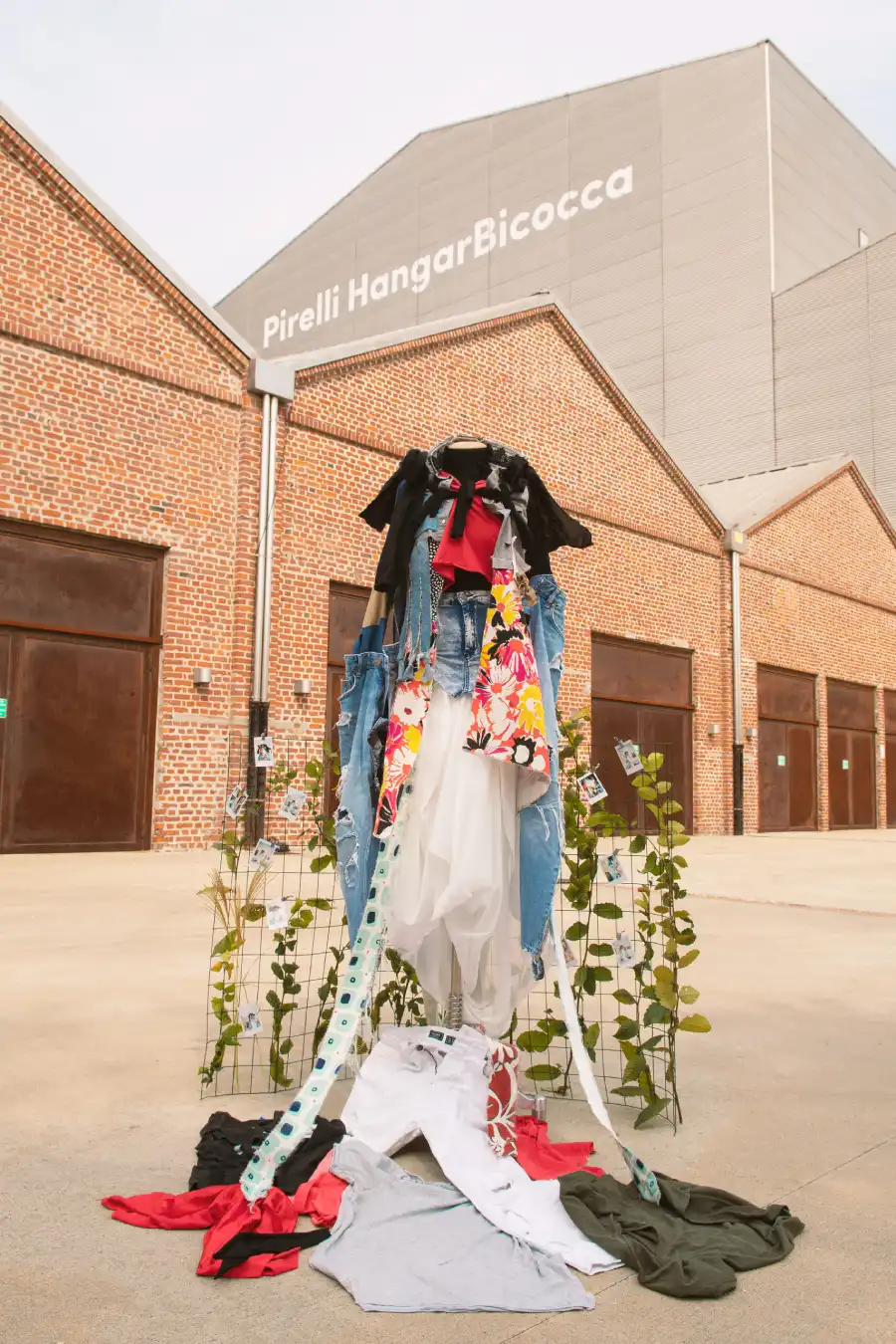
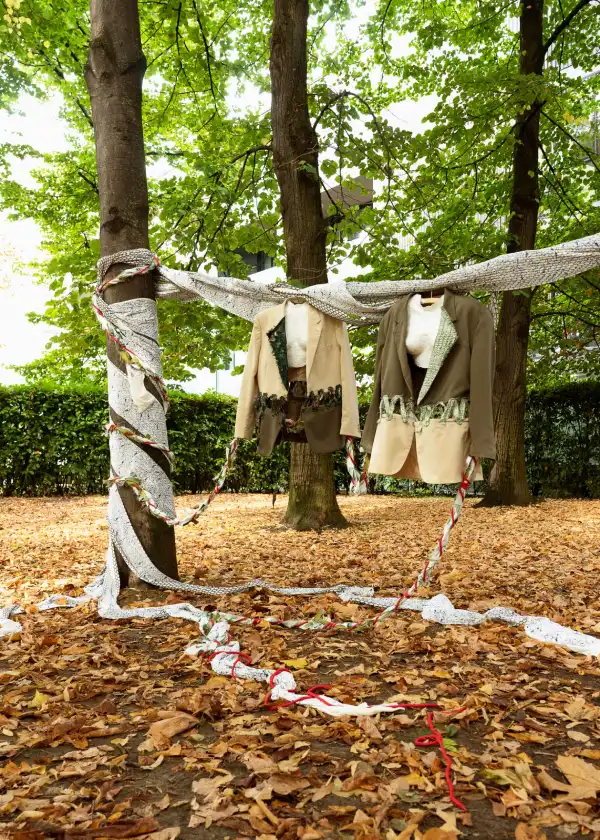
Upcycling is a process that involves taking old garments or fabrics and transforming them into something new and functional, such as bags, backpacks, cushions, rugs, and many other items. This process is an effective way to reduce waste flow and give a second life to materials that would otherwise end up in landfills. Among the brands applying upcycling are many prominent names in the fashion industry, such as Patagonia, which launched the “Worn Wear” line offering free repairs, renewals, and exchanges for its products, and Levi’s, which launched its “WellThread” collection made with recycled materials and produced using low-impact environmental techniques. Stella McCartney, a well-known vegan designer, has also created a clothing collection made with recycled fabrics.
Recycling, on the other hand, is the process of transforming waste materials into new products. This process is used in many sectors, not just fashion, but it has a significant impact on reducing waste in the textile industry. Brands like H\&M have launched their “Conscious Collection,” made with recycled materials such as plastic bottles, organic cotton fabrics, and cellulose fibers. Nike has also launched its “Move to Zero” line, which uses recycled materials and is produced with low-impact environmental techniques. Additionally, some emerging brands focus exclusively on upcycling and recycling, such as “The Renewal Workshop,” which works with brands like The North Face and Patagonia to repair and redesign high-quality products and reduce waste.
Reduce environmental impact through upcycling and recycling
In conclusion, upcycling and recycling are two important processes for reducing the environmental impact of the fashion industry. Many brands have committed to using these processes to create sustainable, high-quality products, and there are also many opportunities for people to do their part in reducing waste by purchasing products made with recycled materials or by participating in the recycling of their own clothes.