

The Fashion Market: Moving Beyond Fast Fashion Toward a Sustainable Future
Fashion is an ever-evolving industry, but in recent years it has faced a major challenge: moving beyond fast fashion. This model of rapid production and consumption has dominated the industry for years, but more and more consumers and industry professionals are seeking more sustainable alternatives. In this article, we’ll explore whether the fashion market is ready to overcome fast fashion and embrace a more sustainable future.
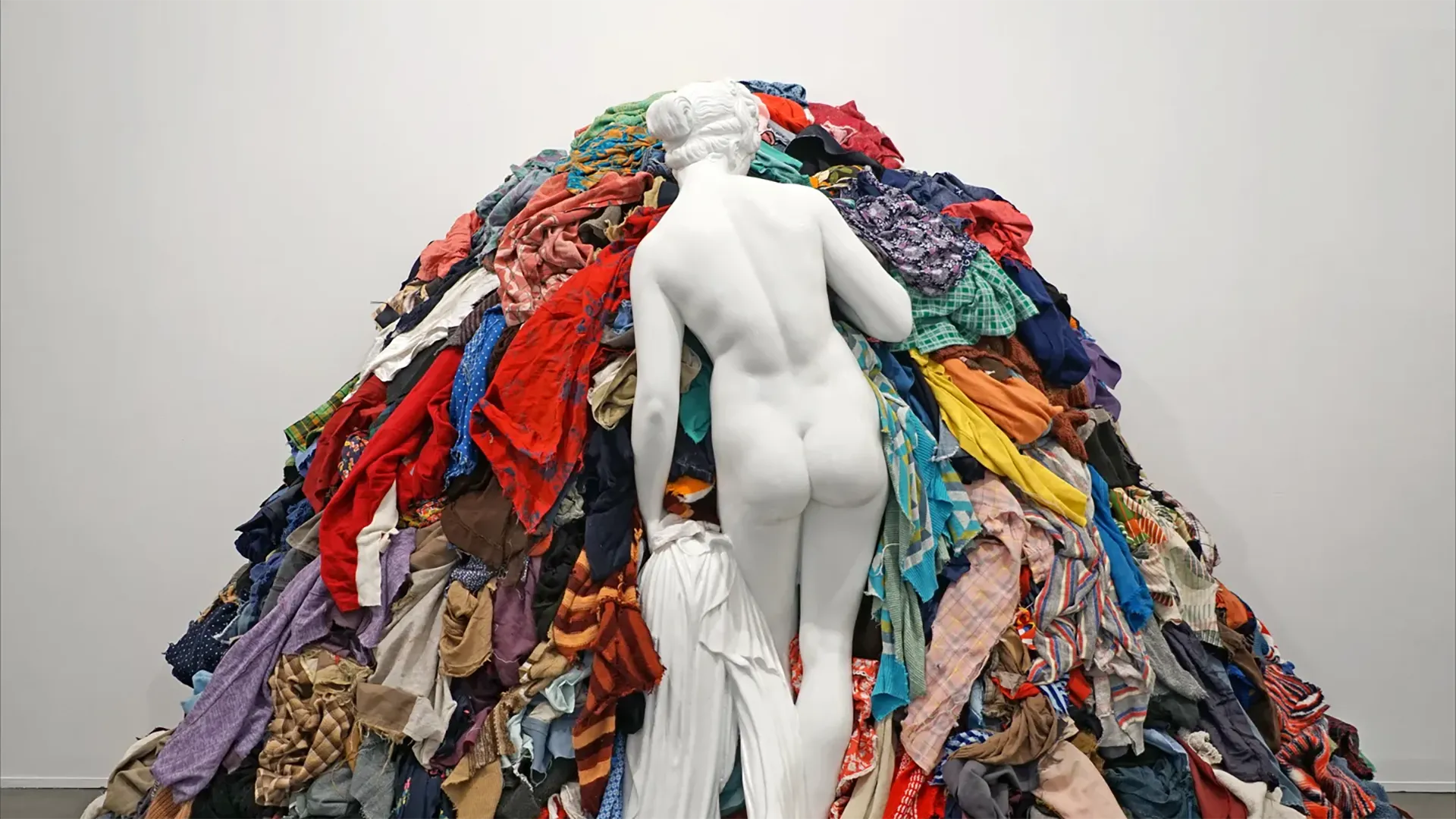
In recent years, fast fashion has received increasing criticism for its negative impact on the environment and garment workers. The fashion industry has become one of the most polluting in the world, with excessive production generating enormous amounts of waste, and irresponsible consumption often leading to garments being discarded after just a few wears. Moreover, many fast fashion companies have been involved in scandals related to labor exploitation, highlighting poor working conditions across supply chains.
Fortunately, consumers are becoming increasingly aware of the impact of their clothing choices. Today, many people seek brands that are transparent about their production practices and that offer sustainable alternatives. The demand for ethical and sustainable fashion is constantly growing, pushing companies to rethink their business models and invest in more responsible practices.
Ethical and sustainable fashion brands are gaining popularity by offering garments made from eco-friendly materials, using low-impact production processes, and ensuring ethical working conditions throughout the supply chain. Furthermore, the concept of circular fashion, which promotes reuse, recycling, and a rethinking of ownership, is gaining traction, pushing for a fashion based on rental and exchange.
In addition to changes at the consumer and corporate levels, institutions and industry players are also taking steps to promote more sustainable fashion. Government bodies are introducing regulations aimed at reducing the industry’s environmental impact, promoting transparency in the supply chain, and incentivizing sustainable production practices.
At the same time, many fashion schools are integrating sustainability education into their curricula, preparing new generations of designers to be aware of the challenges and opportunities associated with sustainable fashion.
While fast fashion has dominated the fashion industry for years, the market finally seems ready to move beyond it. Consumers are increasingly aware of production and consumption issues and are seeking more sustainable alternatives. Companies are responding to this demand by adopting more ethical and sustainable business models. Institutions and industry players are doing their part, promoting more responsible fashion and integrating sustainability into educational programs. The future of fashion therefore appears to be oriented toward greater sustainability, offering opportunities for a more equitable, environmentally friendly, and socially responsible industry.
